
Introduction: More Than a Fruit, a Feeling
The first time you break open a pomegranate, something magical happens. Hundreds of jewel-like red seeds glisten under the light, each one holding a tiny burst of sweetness and life. It feels less like opening a fruit and more like uncovering a hidden treasure.
For thousands of years, It has been cherished not only as food but as a symbol of life, health, love, and renewal. From ancient temples to modern kitchens, this fruit has travelled through time, cultures, and human stories—quietly nourishing bodies and gently healing hearts.
Today, science confirms what our ancestors always believed: it is a powerhouse of nutrition, rich in antioxidants, vitamins, and healing compounds. But beyond numbers and nutrients, It represents patience, abundance, and the beauty of nature’s design.
This blog explores the human story of pomegranate, its health benefits, cultural roots, and why it still matters deeply in our everyday lives.
When you hold a Fruit in your hands, it feels heavy, almost intentional—like it is carrying something important inside. Breaking it open is never rushed. You pause, you peel, and you discover hundreds of tiny red seeds, each one shining with life. In that moment, the fruit asks for your attention, your patience, and your presence.
Table of Contents
In everyday life, It becomes more than a fruit—it turns into a gentle habit of care. A bowl of fresh seeds on the dining table, a glass of juice in the morning, or a few seeds added to a simple meal quietly support the body and mind. Rich in antioxidants and natural nutrients, It helps maintain energy, digestion, and heart health without demanding major lifestyle changes. Beyond health, the act of eating pomegranate slows us down. Separating the seeds, tasting their sweet-tangy flavour, and sharing them with family creates moments of presence and connection. In a fast-moving world, pomegranate fits naturally into daily routines, reminding us that true well-being grows from small, mindful choices rooted in nature.
The Ancient Roots of Pomegranate in Human History
Long before modern medicine, people trusted the pomegranate as a natural healer. Archaeologists have found It remains in ancient Egyptian tombs, where it symbolized life after death. In Persian culture, it stood for fertility and prosperity. In India, it was valued in Ayurveda for balancing the body and strengthening digestion.
Greek mythology tells the story of Persephone, whose fate was tied to eating pomegranate seeds—making the fruit a symbol of cycles, seasons, and rebirth.
Across civilizations, It was never just food. It was medicine, poetry, prayer, and promise.
Even today, when we drink a glass of fresh pomegranate juice or sprinkle seeds on our meal, we are unknowingly participating in a tradition older than recorded history.
For thousands of years, the pomegranate has walked alongside humanity. Long before nutrition labels and scientific studies, people trusted it as a symbol of health, life, and renewal.
In ancient civilizations, It appeared in temples, rituals, poetry, and medicine. It was offered to gods, shared during celebrations, and used as a natural healer. Across cultures, people saw the fruit not just as food, but as a reminder of abundance and continuity.
Even today, when a family shares pomegranate seeds at home, they unknowingly continue a tradition older than written history.
Why Pomegranate Is Called a Superfruit
Modern science now explains why ancient wisdom respected the pomegranate so deeply.
There is something deeply human about how pomegranate is eaten. You don’t swallow it quickly. You don’t rush through it. You slow down.
You remove each seed gently.
You hear the soft crunch.
You taste the balance of sweet and tangy.
This small act of mindful eating pulls us away from noise and speed. It brings us back to the present moment. In a busy world, It quietly teaches us how to pause.https://manivani.site/anti-oxidant-the-silent-guardian-for-body/
1. Rich in Antioxidants
It will contains powerful antioxidants like punicalagins and anthocyanins, which help fight free radicals in the body. These antioxidants protect cells from damage and slow down aging from within.
In simple terms, It helps your body stay young, strong, and resilient.
2. Supports Heart Health
Your heart works silently every second of your life. Pomegranate supports it gently.
Studies show that regular consumption of pomegranate juice may:
- Improve blood circulation
- Reduce bad cholesterol (LDL)
- Help regulate blood pressure
For people living stressful lives, It will become a natural ally—protecting the heart without harsh side effects.
3. Boosts Immunity Naturally
In a world where immunity matters more than ever, pomegranate strengthens the body’s natural defenses. Rich in vitamin C and anti-inflammatory compounds, it helps the body fight infections gently and effectively.
Unlike artificial supplements, pomegranate works in harmony with the body, not against it.
4. A Friend to Digestion
Traditional medicine has long used to improve digestion. The fiber content helps maintain gut health, while natural enzymes support smoother digestion.
If your stomach often feels heavy or uncomfortable, It offers relief in the most natural way.
5. Supports Brain and Memory Health
Recent studies suggest that It may help protect brain cells and improve memory. Its antioxidants support neural pathways, helping the brain stay sharp as we age.
In a fast-paced digital world, this quiet brain support feels like a blessing.
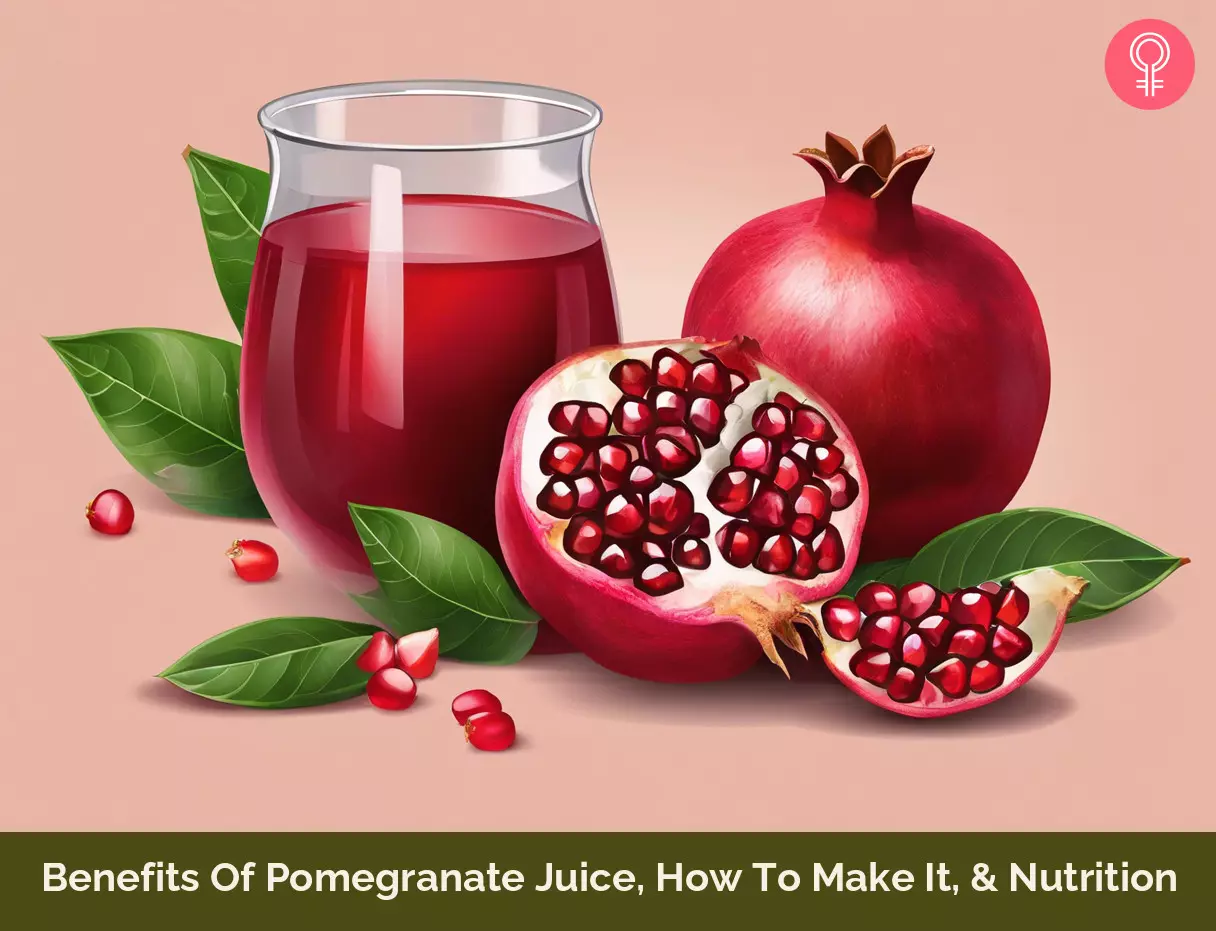
Pomegranate and Emotional Well-Being
Food does more than feed the body—it touches emotions. The pomegranate, with its vibrant color and refreshing taste, naturally uplifts the mood.
There’s something deeply satisfying about:
- Removing the seeds patiently
- Hearing the soft crunch
- Tasting the balance of sweet and tangy
This mindful eating experience slows us down. It reconnects us with the present moment.
In many homes, it is shared during festivals, family gatherings, and sacred rituals—turning food into connection and memory.
Pomegranate in Indian Tradition and Ayurveda
In Ayurveda, pomegranate (Dadima) is known for balancing all three doshas—Vata, Pitta, and Kapha.
Ayurvedic benefits include:
- Improving digestion
- Cooling excess body heat
- Strengthening blood
- Supporting heart health
What makes pomegranate special is its adaptability. Whether eaten fresh, as juice, or dried, it adjusts to the body’s needs.
This balance is what Ayurveda values most—healing without harm.
How Pomegranate Supports Women’s Health
For women, It offers gentle yet powerful benefits.
- Supports hormonal balance
- Helps maintain healthy skin
- Supports iron absorption
- May reduce inflammation during menstrual cycles
Its natural compounds work quietly, respecting the body’s rhythm rather than forcing change.
Many women describe feeling lighter and more energized when it will become part of their regular diet.
Pomegranate and Skin: Beauty from Within
True beauty begins inside. it nourishes the skin by:
- Fighting oxidative stress
- Improving collagen production
- Reducing signs of aging
Instead of relying on expensive creams, many people now turn to juice and seeds as part of their natural beauty routine.
Healthy skin is not about perfection—it’s about vitality. It delivers that glow naturally.
Pomegranate in Modern Diets
One of the best things about pomegranate is its versatility.
You can enjoy it as:
- Fresh fruit
- Juice
- Salad topping
- Smoothie ingredient
- Yogurt mix
- Dessert garnish
Whether you follow a traditional diet or a modern lifestyle,fits effortlessly.
It doesn’t demand change—it simply enhances what already exists.
How to Choose and Store Pomegranate
Choosing the right pomegranate is simple:
- Look for a heavy fruit (more juice)
- Deep red color indicates ripeness
- Firm skin without cracks
Storage tips:
- Store whole fruit in a cool place
- Refrigerate seeds in airtight containers
- Consume fresh for maximum benefits
Freshness matters because pomegranate’s power lies in its natural state.
The Human Lesson Hidden Inside a Pomegranate
Breaking open a it teaches patience. You don’t rush it. You sit, peel, separate, and enjoy.
Life works the same way.
The Fruit teaches a quiet lesson. Its outer skin is firm and unassuming, but inside lies abundance. Life often works the same way.
Strength may hide softness.
Hard moments may hold meaning.
Patience often leads to reward.
it reminds us that nourishment comes in small, consistent moments—not instant fixes.
Each seed reminds us that abundance often hides beneath tough exteriors. That beauty takes time to uncover. That nourishment comes in small, consistent acts—not instant rewards.
This is why It is not just healthy—it is meaningful.
Food has the power to carry emotion, and It carries it beautifully. Its deep red color often represents love, warmth, and life energy. That is why it appears during festivals, family gatherings, and sacred moments.
Sharing it becomes an act of care.
Offering it becomes a gesture of love.
Eating it becomes a moment of quiet joy.
In many homes, it is associated with togetherness, blessings, and positive beginnings.
Why Pomegranate Still Matters Today
In a world filled with processed foods and quick fixes, It reminds us to return to nature. It doesn’t promise miracles. It offers balance.
It supports:
- Long-term health
- Emotional grounding
- Mindful living
And most importantly, it respects the human body as a whole—not as parts to be fixed, but as a system to be cared for.
The pomegranate fruit is rich in antioxidants, vitamins, and natural compounds that support the body without force. It doesn’t overwhelm the system. It supports it.
Pomegranate is known to:
- Support heart health
- Strengthen immunity
- Aid digestion
- Protect cells from damage
But beyond these benefits, it offers something more important—balance. It works with the body, not against it. That gentle support is what makes it timeless.
Conclusion: A Fruit That Grows With Humanity
The pomegranate has survived centuries, wars, climate changes, and civilizations—yet it remains unchanged in its purpose: to nourish life.
In Indian culture, It holds a special place. Ayurveda recognizes it as a fruit that balances the body and supports digestion and blood health. It is given to children, elders, and those recovering from illness—not as medicine, but as nourishment.
Its presence in everyday life reflects a deeper belief: healing does not always come from strong remedies. Sometimes, it comes from gentle, natural care.
Whether you eat it for health, tradition, taste, or memory, It becomes part of your personal story.
In every seed lies nutrition.
In every bite lies history.
In every fruit lies humanity.
source