
Table of Contents
Tamil Kadavul is more than just a god worshipped in temples; he is a real presence in the hearts, language, and daily lives of Tamils. Murugan has remained near to people for ages, walking alongside followers as a guide, guardian, and companion, rather than standing on a pedestal. His tale is intricately linked to human emotions like as courage, love, sorrow, wisdom, and hope.
he is their own god, worshipped in their home tongue, celebrated in poetry, and remembered in times of joy and sadness. He symbolises identity, culture, and inner strength.
Murugan Arupadai Veedu is not just about temples—it is about life itself. Each abode mirrors a phase every human experiences. Through these six sacred spaces, he teaches that life’s challenges, when faced with humility and courage, lead to wisdom and inner peace.
That is why Murugan is not only worshipped—he is deeply loved, as a guide, a brother, and a companion on the human journey. Even today, he remains relevant. Students seek his blessings before exams, families celebrate festivals like Thaipusam and Skanda Sashti, and travelers turn to him for protection. He adapts with time without losing his essence, standing as a symbol of balance between tradition and modern life.
Above all, He is a companion on the human journey—one who does not demand perfection, but encourages growth, humility, and inner strength. That is why he is not only worshipped, but deeply loved.
Murugan in the Tamil consciousness.
Tamil Kadavul occupies a unique position in Tamil spirituality. While many deities are revered in various locations, Murugan’s roots are inextricably linked to Tamil culture and literature. Long before structured temple worship became popular, ancient Sangam scriptures mention Seyon, the red-hued god of the hills. He was revered by mountaineers, warriors, poets, and ordinary people alike.
At Swamimalai, Murugan is worshipped as the teacher who explains the meaning of “Om” to Lord Shiva himself. This abode symbolizes knowledge, humility, and spiritual maturity.
Humanistically, it teaches that true wisdom comes when ego dissolves and learning becomes lifelong.
Murugan’s affinity to nature makes him deeply human. He lived in the kurinji landscapes—hills, forests, and valleys—where life was raw and authentic. He was summoned before battles, in love, and in times of adversity. Tamil Kadavul was never removed from the human struggle; rather, he was a part of it
A God who reflects human emotions.
Tamil Kadavul emotional depth is what defines him as deeply human. He is not portrayed as faultless or unreachable. He is a son who obeys his parents, a brother who defends his siblings, a husband who cares sincerely, and a warrior who fights obstacles.
Murugan’s narrative illustrates that growth requires work. When he leaves Kailasa following the mango episode, he expresses a human reaction to pain and misunderstanding. However, his quest leads to wisdom, independence, and self-awareness. This reflects human life: we stumble, feel mistreated, walk away, and eventually discover our destiny.
Murugan’s rage against injustice, compassion for followers, and tolerance with those seeking him reveal a god who knows the human heart.
Vel’s Symbolism: Wisdom Over Violence.
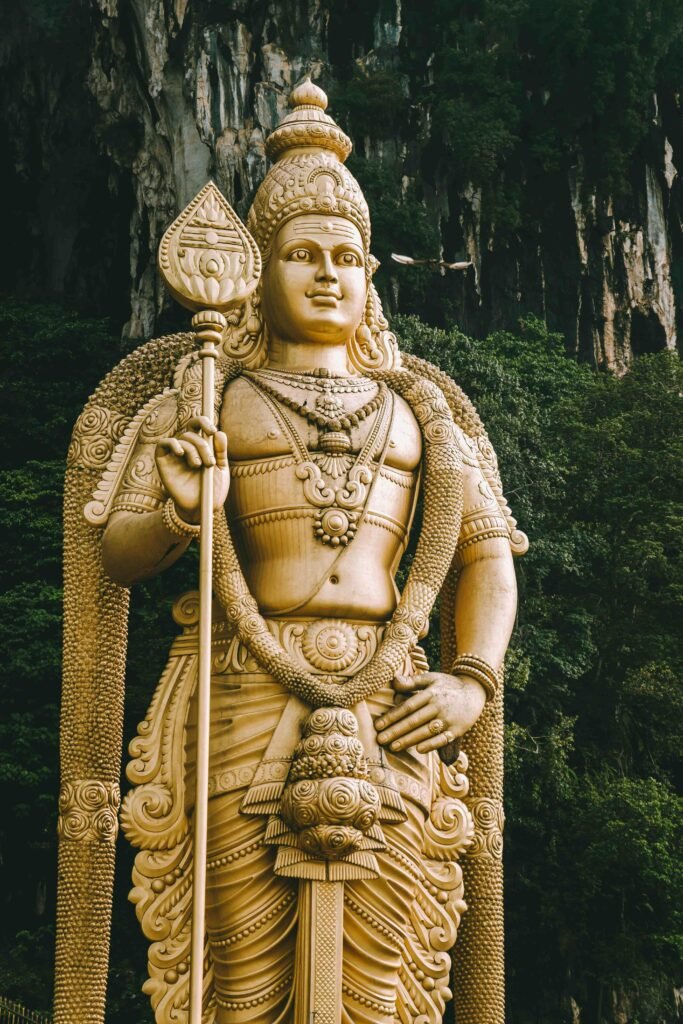
The Vel, Murugan’s celestial spear, is frequently misinterpreted as a weapon of destruction. In reality, it represents clarity, wisdom, and the truth. Tamil Kadavul does not destroy mindlessly; he eliminates ignorance, ego, and fear.
In a humanistic sense, the Vel reminds us that our true adversaries are within—https://manivani.site/thiruppugazh-timeless-song-of-devotion-and-humanity/pride, envy, arrogance, and confusion. Murugan’s battle with Surapadaman represents the inner conflict that all humans confront. Victory is not about dominating others, but about mastering oneself.
This is why Tamil kadavul worship is so introspective. Devotees seek strength not to dominate, but to live morally.
Tamil Kadavul Murugan is not a distant god residing only in temples and scriptures. He is a living presence woven into the emotions, language, and everyday lives of Tamil people. For generations, Murugan has walked alongside humanity—not as a ruler demanding obedience, but as a compassionate companion guiding people through courage, suffering, love, and hope.
More than mythology, Tamil Kadavul Murugan represents the human struggle for meaning, strength, and clarity. His stories reflect our inner battles, our longing for wisdom, and our capacity for transformation.
Murugan is the God of Youth and Hope.
Tamil Kadavul remains perpetually young. His youth is more than simply physical; it signifies new ideas, the confidence to start over, and hope for the future. For pupils, he represents the god of knowledge. He serves as a guide for those who are lost. For the broken, he is hope.
When faced with uncertainty, believers turn to Murugan with trust rather than dread. The chant “Tamil kadavul ” is often uttered from the depths of the heart, as if calling an elder brother. Tamil Kadavul emotional intimacy makes him a companion rather than a tyrant.Tamil Kadavul Murugan occupies a unique and intimate place in Tamil spirituality. While many gods are worshipped across regions, Murugan’s roots are inseparable from Tamil land, language, and literature. Ancient Sangam texts describe Seyon, the red-hued god of the hills, long before structured temple rituals existed.
He was worshipped by hunters, warriors, poets, farmers, and kings alike. Murugan belonged to everyone. This universality made him deeply human—accessible, compassionate, and close to daily life.
Living in the kurinji landscapes of hills and forests, Murugan became part of nature itself. He was invoked before battles, during love, and in moments of despair. Tamil Kadavul Murugan was never removed from human hardship; he stood within it.
The Six Abodes: A Spiritual Journey Through Life
The Arupadai Veedu (Six Abodes of Tamil kadavul) are more than just pilgrimage places; they symbolise stages in human life.
Thirupparamkunram talks about beginnings and marriage.
Thiruchendur represents addressing problems head on.
Palani symbolises renunciation and self-discovery.
Swamimalai represents study and humility.
Thiruthani advocates peace after strife.
Pazhamudircholai indicates peace with nature.
They depict a human path from desire to discipline, conflict to peace, and ego to enlightenment. Tamil Kadavul Murugan goes beside believers during each level.
Murugan is not just a deity of mythology; he is a living presence in the hearts of millions. Known as Tamil Kadavul Murugan, he represents courage, wisdom, compassion, and youthful energy. For Tamils, Murugan is deeply personal—a god spoken to in their own language, sung about in poetry, and remembered in moments of both joy and struggle.
https://manivani.site/thiruppugazh-timeless-song-of-devotion-and-humanity/
Murugan in Tamil Literature and Songs.
Tamil kadavul has been sung about with greater emotional closeness than any other deity. Murugan is lauded in Sangam poetry and Thiruppugazh for his compassion as much as his holiness.
Arunagirinathar’s Thiruppugazh does not praise Tamil Kadavul as an inaccessible god. Instead, he is portrayed as a saviour who lifts flawed mankind with love. Murugan’s songs address fundamentally human topics such as addiction, remorse, fear, and redemption, making them relevant beyond generations.
Through literature, Tamil Kadavul becomes a voice that comprehends pain and provides grace.
He and social equality
Tamil kadavul worship has traditionally crossed social boundaries. He was revered by kings, commoners, scholars, and farmers alike. Hill shrines greeted everyone. He welcoming nature makes him a symbol of social peace.
Murugan does not discriminate, according to humanistic principles. Devotion is assessed by sincerity rather than position. This message is as potent today, in a world divided by identity and inequality.
Tamil kadavul in Modern Life.
Even in today’s fast-paced world, Tamil Kadavul Murugan is still relevant. Young people pray to him before exams, travellers seek his protection, and families honour him during holidays such as Thaipusam and Skanda Sashti.
Murugan adjusts without losing its essence. His temples reverberate with old chants, but his presence is felt in modern hearts. He embodies the balance of tradition and development, religion and reason.
A God Who Walks With Us
Tamil Kadavul is not a god of perfection. He embraces human flaws and turns them into strength. His life exemplifies how humility leads to insight, dedication to peace, and courage to liberty.
He does not promise a life free of pain, but he does guarantee friendship through it. This is why He is so beloved, not feared. He is adored with affection rather than obligation.
Murugan Arupadai Veedu refers to the six holy abodes of Lord Murugan, each representing not only a sacred place of worship but also a profound stage in the human journey. For devotees, these temples are more than pilgrimage destinations—they are milestones of inner growth, self-realization, and emotional transformation.
Rooted deeply in Tamil culture and spirituality, the Arupadai Veedu reflects how Tamil Kadavul Murugan walks alongside humanity, guiding people through struggle, learning, sacrifice, peace, and harmony.
Conclusion: Murugan as a Living Philosophy
Understanding Tamil Kadavul means understanding the Tamil soul. He is a deity shaped by mountains, poetry, strife, and love. He is more than just mythology; it is a philosophy of courage, compassion, and clarity.
Every “Muruga” murmured during a difficult time represents humanity reaching out for strength. In that approach, Tamil Kadavul responds—not as a faraway divinity, but as a divine reflection of our highest selves.
Situated by the sea, Thiruchendur represents courage and confrontation. It is here that Murugan defeated Surapadman. Symbolically, this battle is not about violence, but about overcoming inner darkness, fear, and ego.
This abode teaches that life’s struggles are unavoidable, but strength and righteousness help us rise above them.
source