
Introduction: A Small Nut with a Big Story
There is something quietly comforting about holding a walnut in your palm. Its rough shell feels strong, protective, almost thoughtful. When you crack it open, you don’t just find food—you discover a shape that looks surprisingly like the human brain. For centuries, this resemblance has fascinated people, as if nature itself wanted to leave us a gentle clue.
It has been part of human life for thousands of years. It has travelled through ancient forests, royal kitchens, village homes, and modern dining tables. While the world has changed rapidly, this humble nuts has remained steady—offering nourishment, balance, and quiet strength.
Today, science confirms what tradition always believed: It is rich in nutrients, healthy fats, and antioxidants. But beyond nutrition, It represents patience, wisdom, and care—values deeply rooted in human life.
This blog explores the human story of walnut, its health benefits, cultural significance, and why it continues to matter in our everyday lives.
Table of Contents
The humble walnut is more than just a nut—it is a quiet companion in our daily lives. Cracking open its hard shell is a gentle reminder that life’s most valuable things often require patience and care. Inside, the brain-shaped kernel nourishes not just the body but the mind, supporting memory, focus, and mental clarity. Generations have shared nuts around family tables, during festivals, and in moments of care, turning this simple nut into a symbol of connection, warmth, and resilience. Eating a its more than nutrition—it is a small act of mindfulness, grounding us in the present and reminding us that health, strength, and wisdom grow slowly, just like life itself.
The Ancient Journey of Walnut Through Human History
Long before supermarkets and packaged foods, humans gathered In the nuts from the trees that grew freely across Asia, Europe, and the Middle East. Ancient civilizations valued in this trees not only for their fruit but also for their wood, shade, and longevity.
In Persia, Its symbolized intelligence and wisdom. In ancient Rome, they were associated with fertility and celebration. In India, walnuts became part of traditional diets in colder regions, valued for their warmth and strength-giving qualities.
Across cultures, It was never just food. It was a symbol of nourishment, protection, and endurance. Families passed down In this trees through generations, treating them almost like living ancestors.
Even today, when we eat walnuts, we are continuing a relationship that humanity has maintained for centuries.
The walnut is more than a nutritious snack—it is a symbol of patience, care, and human connection. Its rough shell protects the delicate kernel inside, a quiet metaphor for resilience and strength in our own lives. Eating a nuts is a mindful act: the crunch of the shell, the earthy aroma, and the rich flavour create a moment of presence in a fast-paced world. Rich in omega-3 fatty acids, antioxidants, and essential nutrients, it support heart health, brain function, and overall vitality. For centuries, families have shared its during celebrations, festivals, and intimate gatherings, making this simple nut a symbol of tradition, warmth, and togetherness. Integrating walnuts into daily life—whether as a snack, salad topping, or in smoothies—offers not just nourishment but a gentle reminder that true wellness comes from small, consistent acts of care. In every nuts lies a story of history, health, and human connection, proving that food can nurture not only the body but the spirit as well.
Why Walnut Feels So Closely Connected to Humans
In this nuts brain-like shape has always intrigued people. Ancient healers believed that It supports brain health, not because of science, but because of observation and intuition. Interestingly, modern research now supports this belief.
But beyond physical resemblance, Its mirror human life in another way. They are protected by a hard shell, yet inside lies something soft, nourishing, and essential. Much like people, strength and vulnerability coexist within.
This quiet symbolism is what makes the walnut deeply human.
In the hustle and bustle of modern life, it’s easy to forget the simple pleasures that nourish both body and soul. A handful of nuts can be one of those quiet yet powerful reminders. Beyond their nutritional value, In the nuts carry centuries of human stories and traditions, offering more than just sustenance—they are a bridge between our health, memories, and moments of mindfulness.
Eating nuts daily has a gentle, grounding effect. The act of cracking the shell and slowly savouring the earthy, rich taste reconnects us to the present moment. This simple ritual mirrors the way we approach life: patience and care unlock deeper rewards. Just as the nut’s hard shell protects the nourishing kernel inside, taking time to care for ourselves shields our mental and emotional well-being from life’s pressures.
Why Walnut Is Considered a Nutritional Treasure
Modern nutrition science highlights It as one of the healthiest nuts in the world.
1. Rich in Healthy Fats
It is one of the best plant-based sources of omega-3 fatty acids, which support heart and brain health. These healthy fats help reduce inflammation and support overall well-being.
Unlike unhealthy fats that burden the body, nuts fats nourish gently and steadily.
2. Supports Heart Health
Your heart works tirelessly, often without appreciation. It supports heart health by:
- Improving cholesterol balance
- Supporting healthy blood vessels
- Reducing inflammation
Including a small handful of nuts in your daily diet can quietly support your heart over time.
3. A Natural Ally for Brain Health
nuts are often called “brain food,” and for good reason. Their nutrients support memory, concentration, and mental clarity. Antioxidants and healthy fats help protect brain cells from damage.
In a world filled with mental stress and digital overload, Its offer gentle, natural support for the mind.
4. Supports Digestive Health
It contain fiber that helps support digestion and gut health. A healthy gut plays a key role in immunity, mood, and energy levels.
Rather than forcing change, It supports digestion in a balanced, natural way.
5. Rich in Antioxidants
In the nuts are packed with antioxidants that help protect the body from oxidative stress. These compounds support healthy aging and protect cells from everyday damage.
Aging is natural, but It help the body age with strength and grace.
Walnut and Emotional Well-Being
Food affects emotions more than we realize. In this nuts, with their earthy flavor and satisfying crunch, bring a sense of grounding.
Eating nuts often feels calming. You chew slowly. You taste deeply. You feel nourished rather than rushed.
In many homes, nuts are shared during festivals, winters, or moments of care—when someone needs warmth, strength, or comfort. This emotional connection turns a simple nut into a symbol of support.
Walnut in Indian Tradition and Ayurveda
In Ayurveda, it is valued for its warming nature and strength-building qualities. It is especially recommended during colder seasons or for people who need nourishment and energy.
Traditional uses include:
- Supporting brain and nerve health
- Strengthening the body
- Improving stamina
- Supporting reproductive health
Ayurveda respects walnuts for its ability to nourish deeply without imbalance—healing through harmony rather than force.
Walnut and Women’s Health
For women, It offer gentle yet meaningful benefits. Their nutrients support hormonal balance, bone health, and energy levels.
It may help:
- Support hormonal well-being
- Improve skin and hair health
- Provide iron and essential minerals
- Support overall vitality
Many women find that including walnuts in their daily routine brings steady energy rather than sudden spikes.
Walnut and Skin: Nourishment from Within
True beauty is rooted in nourishment, not perfection. Its support skin health by providing healthy fats and antioxidants that:
- Improve skin elasticity
- Reduce dryness
- Support natural glow
Rather than relying only on external products, It help nourish the skin from the inside—slowly and naturally.
Walnuts Support Brain Development
The shape of a walnut—curved like the human brain—seems almost symbolic, and modern science confirms the connection. Rich in omega-3 fatty acids, antioxidants, and vitamin E, walnuts help support memory, concentration, and cognitive development in children. Including a small handful of nuts in your child’s daily diet can aid focus in school and enhance problem-solving skills in a gentle, natural way.
A Heart-Healthy Snack for Kids
Even at a young age, children benefit from heart-supporting foods. It help maintain healthy cholesterol levels, support blood circulation, and reduce inflammation, laying the foundation for long-term cardiovascular health. By introducing walnuts early in life, parents help children build habits that protect their hearts for years to come.
Strengthens Immunity and Overall Health
Kids are constantly exploring, learning, and sometimes getting exposed to germs. In this nuts packed with antioxidants, minerals, and healthy fats, naturally strengthen immunity. These nutrients support healthy bones, skin, and overall growth, giving children the energy to thrive while protecting them from daily stressors.
Encouraging Mindful Eating
Eating walnuts can also be a subtle lesson in mindfulness for children. The act of cracking the shell, feeling its texture, and savoring the rich, nutty flavor slows them down and makes them appreciate their food. In a fast-food world, this tiny ritual encourages patience, focus, and a connection with nature—values that grow alongside physical health.
Emotional and Cultural Connection
In this nuts are not only nutritious—they also carry cultural and emotional significance. In many families, in the nuts are shared during holidays, winter festivals, or as part of learning about family traditions. Sharing nuts with children becomes a moment of warmth, bonding, and care, teaching them that nourishment is as much about love and connection as it is about food.
Easy Ways to Include Walnuts in a Child’s Diet
Integrating walnuts into a child’s daily routine can be simple and fun:
- Mix chopped walnuts into morning oatmeal or yogurt bowls.
- Add walnuts to smoothies for a creamy, nutritious boost.
- Bake them into muffins, cookies, or energy bars.
- Sprinkle walnuts on fruit salads or rice pudding for added crunch.
These small, consistent acts ensure children get the benefits of walnuts without feeling forced
In every nuts lies more than nutrition; it carries centuries of care, wisdom, and tradition. By including nuts in a child’s diet, parents provide not only physical nourishment but also support for cognitive growth, emotional grounding, and healthy habits. A simple handful of walnuts becomes a daily lesson in patience, care, and the quiet power of nature’s gifts.
Walnut in Modern Daily Life
One of the greatest strengths of walnut is its versatility. It fits effortlessly into modern routines.
You can enjoy walnuts as:
- A daily snack
- Added to breakfast bowls
- Mixed into salads
- Blended into smoothies
- Used in traditional sweets and dishes
It does not demand change. It gently enhances everyday meals.
Beyond individual health, walnuts have always held a place in human connection and cultural traditions. Families have shared nuts during festivals, winter gatherings, and special celebrations—small acts that build bonds and create lasting memories. Including walnuts in daily life is not just about eating; it is about honoring history, nature, and the relationships that nourish our lives as much as food nourishes our bodies.
In a world dominated by fast food and instant gratification, its teach us a subtle but powerful lesson: the best nourishment comes from patience, consistency, and care. Just as each nuts grows slowly on its tree, absorbing sunlight and rain, our well-being grows through small, daily acts of attention—what we eat, how we connect, and the moments we pause to be present.
In essence, In this nuts are more than a food item—they are a companion in human life. They encourage mindfulness, support physical and mental health, and connect us to traditions and stories older than any written history. By embracing walnuts in our daily routines, we not only strengthen our bodies but also nurture our minds and hearts, finding a quiet, nourishing balance in the rhythm of everyday life.
How to Choose and Store Walnuts
Choosing good its ensures maximum nutrition and taste.
Selection tips:
- Choose nuts with intact shells or fresh kernels
- Avoid bitter-smelling nuts
- Look for light-colored kernels
Storage tips:
- Store in airtight containers
- Refrigerate to maintain freshness
- Keep away from moisture
Fresh nuts offer the best nourishment and flavor.https://manivani.site/anti-oxidant-the-silent-guardian-for-body/
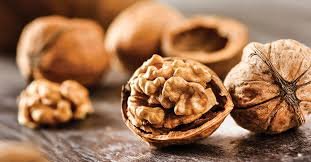
The Quiet Life Lesson Inside a Walnut
Cracking a nut takes effort. You apply pressure, and only then does it open. Inside, you find nourishment worth the effort.
Life often works the same way.
Walnuts remind us that:
- Strength can protect softness
- Patience leads to reward
- True nourishment takes time
This is why it is not just food—it is a lesson.
Why Walnut Still Matters Today
In a world of fast food and quick fixes, it reminds us to slow down. It encourages mindful eating, natural nourishment, and long-term care.
Walnut supports:
- Physical health
- Mental clarity
- Emotional grounding
Most importantly, it respects the human body as a whole—not something to fix quickly, but something to care for patiently.
Conclusion: A Nut That Grows with Humanity
The walnut has stood beside humanity through centuries of change. It has fed farmers, thinkers, warriors, elders, and children alike.
Whether eaten for health, tradition, or comfort, walnut becomes part of our daily rhythm.
In every walnut lies nourishment.
In every bite lies balance.
In every shell lies human wisdom.
Source